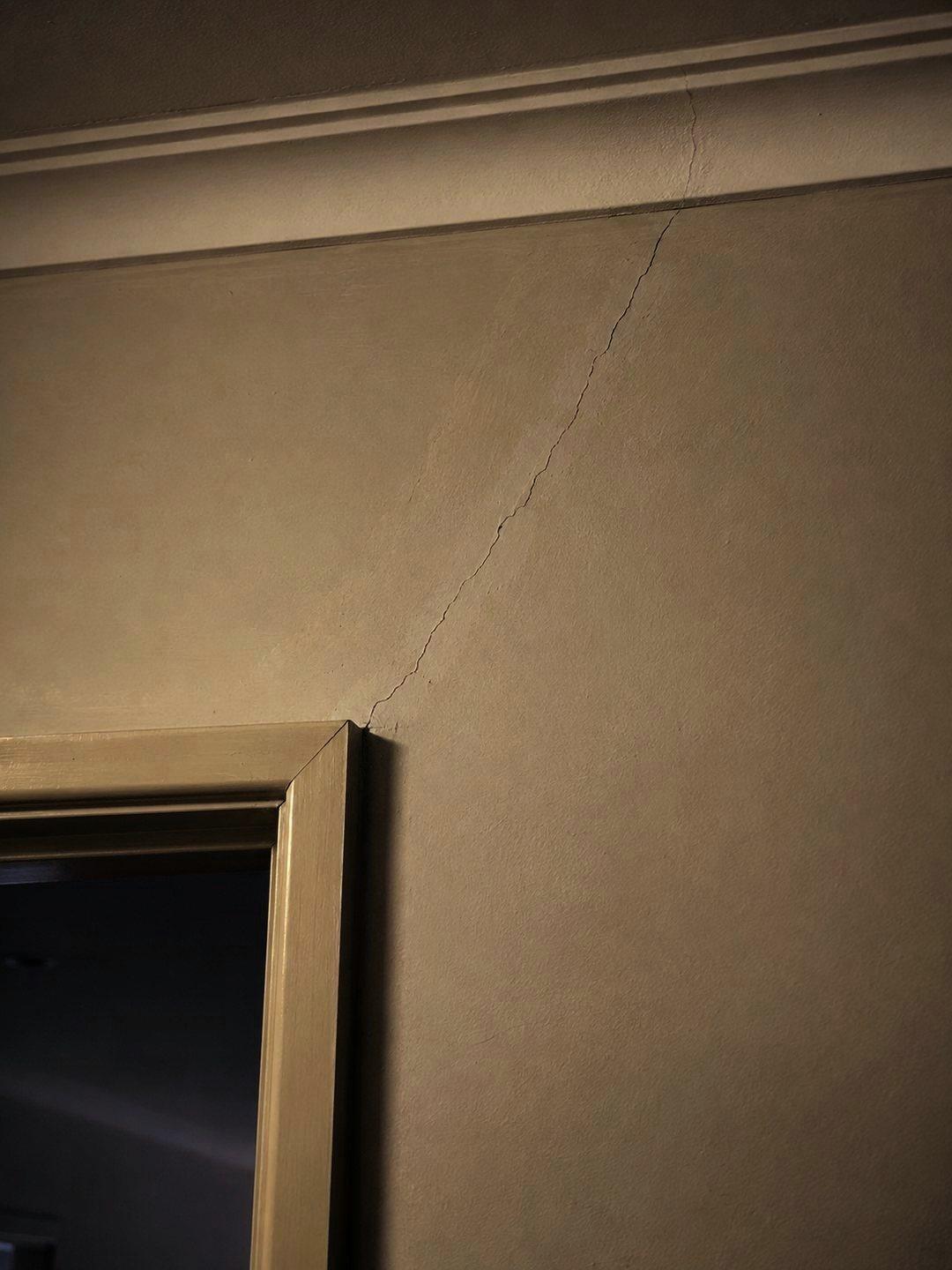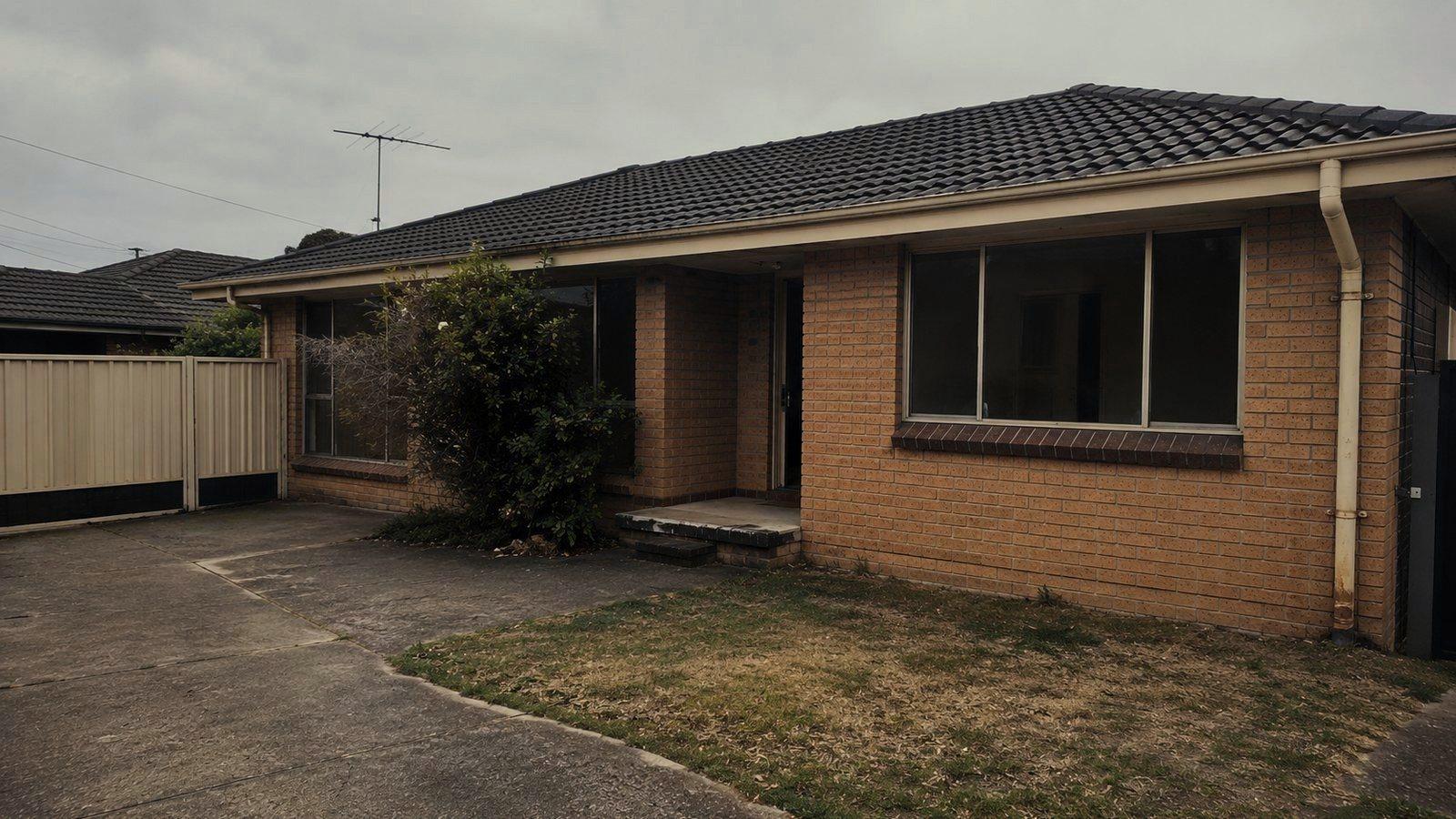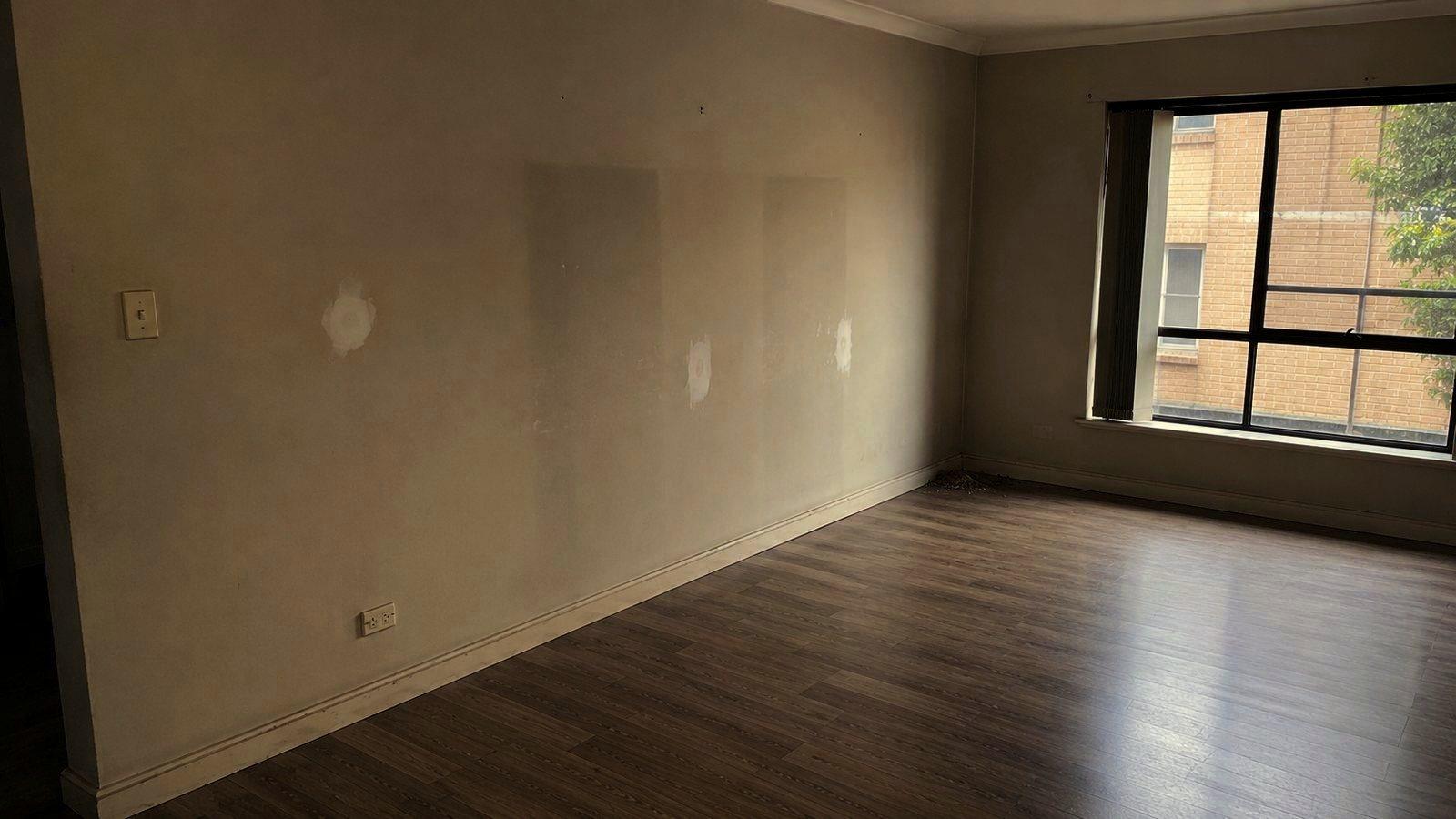
You filled the crack over the hallway door last summer. It is back, same place, same length. That is not a bad patch. That is the ground under the house moving, and it will do it again.
A lot of the ground across south west Sydney is reactive clay, which means the soil changes volume with its moisture content. Wet it and it swells, dry it and it shrinks, and the difference is enough to lift and drop the edges of a slab through the year. Slabs are built to take some of that. What is left finds the weakest lining in the building, which is nearly always the plasterboard and the cornice.
Once the movement is understood, the two jobs that follow are movement crack repairs inside and path and slab repairs outside.
The same crack, in the same month, every year
The classic sign is a crack that opens through a long dry stretch and closes again after sustained rain, in the same place, year after year. Around a doorway. Along a cornice. Down the corner of a room. Patch it in February and it is very likely back the following February, because nothing has changed underneath.
Photograph your cracks with a date and something for scale. A year of photographs tells you more than any single inspection.
You cannot change the soil, but you can change the water
Even moisture right around the perimeter is what you are after. Five things wreck it:
- Downpipes. Where does yours discharge? A downpipe dumping into the ground next to a footing keeps that patch of clay permanently swollen while the rest of the perimeter dries out. Differential moisture is what causes differential movement.
- Falls away from the house. Ground and paving should fall away from the walls, not towards them.
- Big trees close to the building. A mature tree can pull a serious volume of water out of clay in a dry summer, and the ground under that side of the slab shrinks.
- Leaking services. A slow leak under a slab keeps one area wet indefinitely and it is one of the harder causes to find.
- Watering. A garden bed against the house that gets watered daily while the rest of the perimeter bakes is doing the same thing as a bad downpipe.
Which cracks are cosmetic and which are not
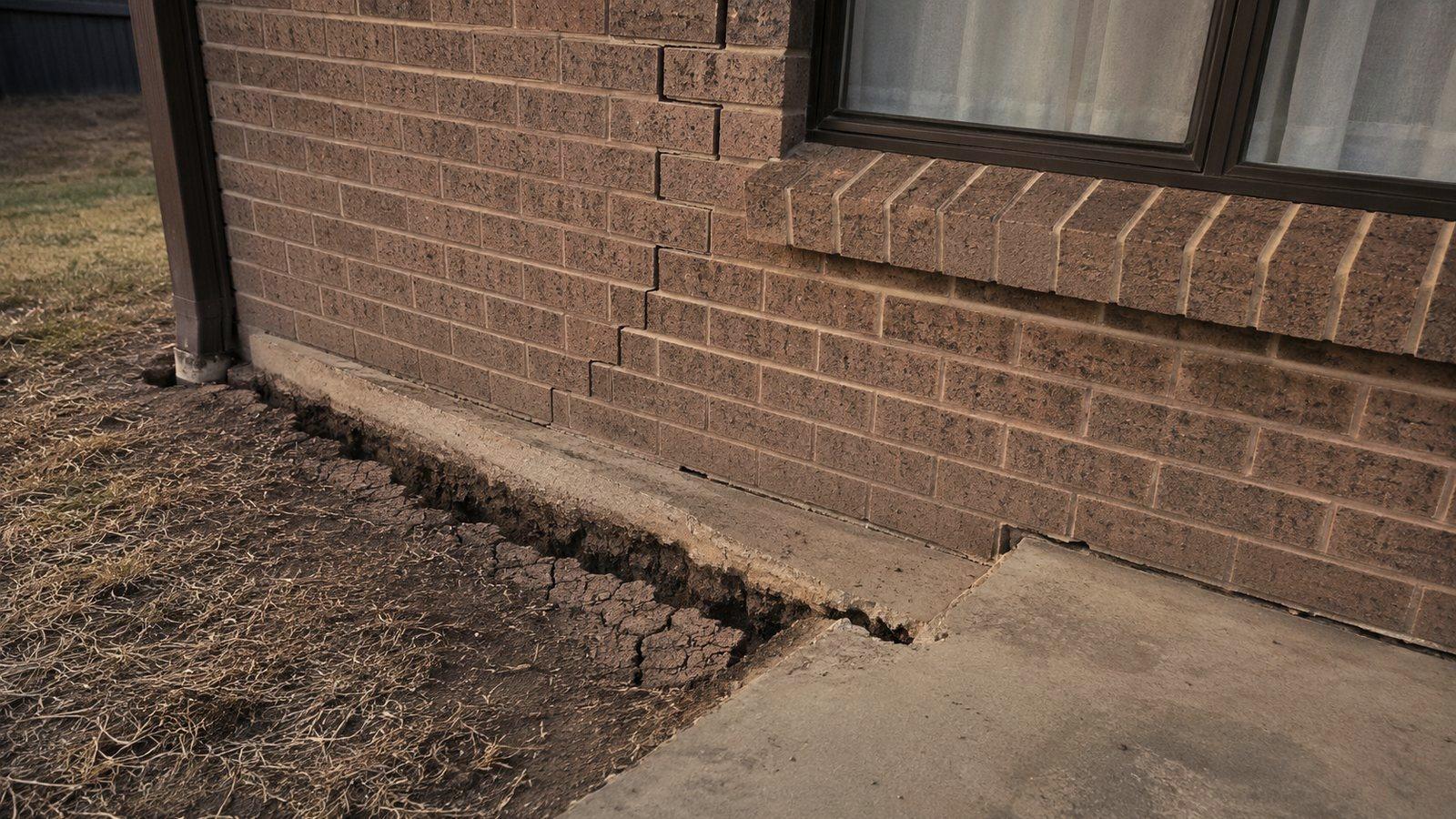
Fine cracks in plasterboard along sheet joints and around openings are the lining doing its job. Annoying, cosmetic, and repairable. Take seriously anything in the structure itself: stair step cracking through brick mortar joints, cracks wider at one end than the other, cracks you can push a coin into, doors and windows that have gone out of square, or a floor that has developed a noticeable slope.
Get a structural engineer onto those. An engineer will tell you whether the movement is within normal range for the site classification or whether it needs work, and knowing that first is the cheap order to do it in. Patching the lining and asking later is the expensive one.
Repairing a movement crack so it lasts
Cut the crack open enough to get material into it. Re-tape the joint properly rather than smearing filler along it. Set it in coats. Where a crack is known to be seasonal and will move again, a flexible jointing approach at that one junction outlasts a rigid patch, because it lets the crack move without splitting the paint.
Then paint corner to corner. A patched line painted only along its length will show as a stripe under raking light.
What a good result looks like on clay
On a reactive site, cosmetic cracking is maintenance rather than a defect to be cured. Fix the water first, repair the lining properly second, and expect to touch up occasionally. That is a normal house on clay, and it is far cheaper than chasing a permanent fix that the ground will not allow.