Almost no landlord repair bill is a surprise. It is a small thing that was visible at the last inspection, was not urgent, and got left. Twelve months on, that small thing has taken something else with it. This is the list we work through when an owner or an agent asks us to get a property ready.
The legal part, in one paragraph
Under NSW residential tenancy law a landlord has to provide and maintain the premises in a reasonable state of repair, and a property has to meet minimum standards to be fit to live in. Urgent repairs, things like a serious water leak, a blocked or broken toilet, a gas leak or a dangerous electrical fault, have their own rules and timeframes. If you are not sure where a repair sits, NSW Fair Trading publishes the current position. Read it rather than guess at it.
The two that come up on nearly every list are locks and window repairs and resealing wet areas.
Nothing here is legal advice. It is a maintenance list. For anything about your obligations as a landlord, NSW Fair Trading is the source that matters.
Water, because water costs the most
- Silicone around the shower base, the bath and the kitchen sink. Cut out and replaced, not smeared over.
- Grout in the shower and the bathroom floor. Tap across it and listen for drummy tiles.
- Under every sink, with a torch, looking for a stain on the chipboard rather than a puddle.
- The shower screen seal and the sweep at the bottom of the door.
- Gutters and downpipes, and where the downpipes discharge. Water against a wall for a year is a repair bill.
Every door, every window, every key you hold
- Every door opens, closes and latches without being lifted.
- Every window opens and locks. Winders that have stripped get replaced, not left.
- Flyscreens intact. Tenants leave doors open when the screens have holes in them.
- Locks on all external doors work with the keys you actually hold.
- Sliding doors and windows run without a shoulder behind them.
Paint while it is empty, and patch before you paint
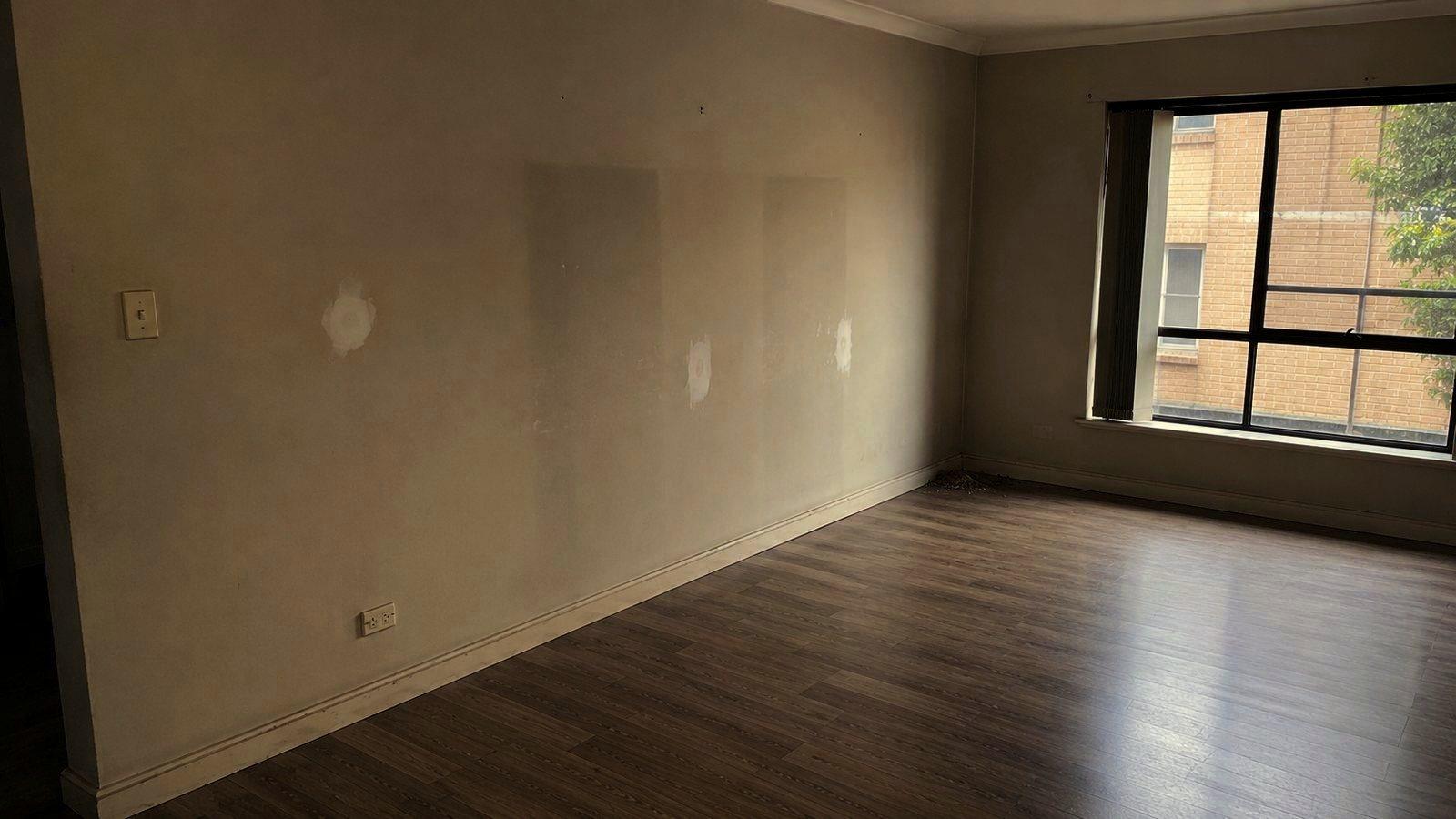
Between tenancies is the only realistic time to repaint. Patch the holes properly rather than just filling them, because a filled hole shows through a fresh coat inside a few weeks. Then look up. Stains on ceilings, particularly under an upstairs bathroom and around downlights, are a leak with a delay on it.
Outside is where the liability sits
- Paths and steps level and not a trip hazard. This one has liability attached to it.
- Fence line and gates. A gate that does not latch is how pets get out and how claims start.
- Overhanging branches and anything growing into the roof or the gutters.
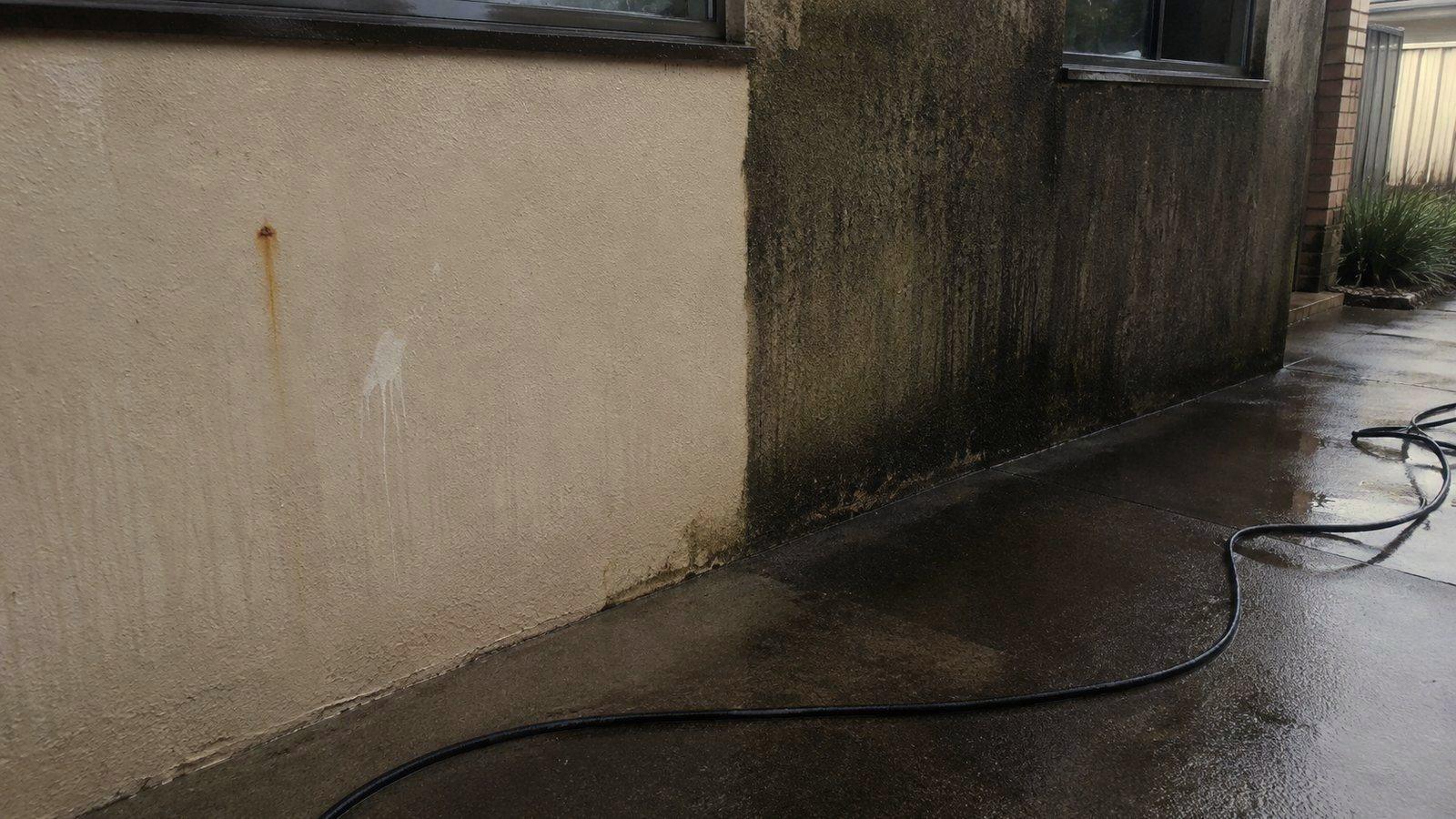
- The driveway and paths pressure cleaned, which does more for a listing photo than almost anything else.
- Any timber deck or step checked for soft spots.
What to fix now, and what can genuinely wait
Fix now: anything involving water, anything that is a trip or a safety issue, anything that stops a door or a window working, and anything a tenant will ring about as urgent at 9pm on a Saturday. Those are the ones that cost double once they are reactive.
Can wait: cosmetic marks, minor paint damage in low traffic rooms, and anything that is genuinely wear rather than failure. Doing every last thing at once is not efficient either, it just brings the spend forward.
Ten repairs, one visit
Bundling is the single biggest saving on a rental. Ten small repairs on one visit cost a fraction of ten call outs, and the same goes for a property manager running several properties at once. Send photos of everything on the list together and you get one quote and one day.
Between tenancies, a bathroom often needs presenting rather than renovating. Here is what that involves.