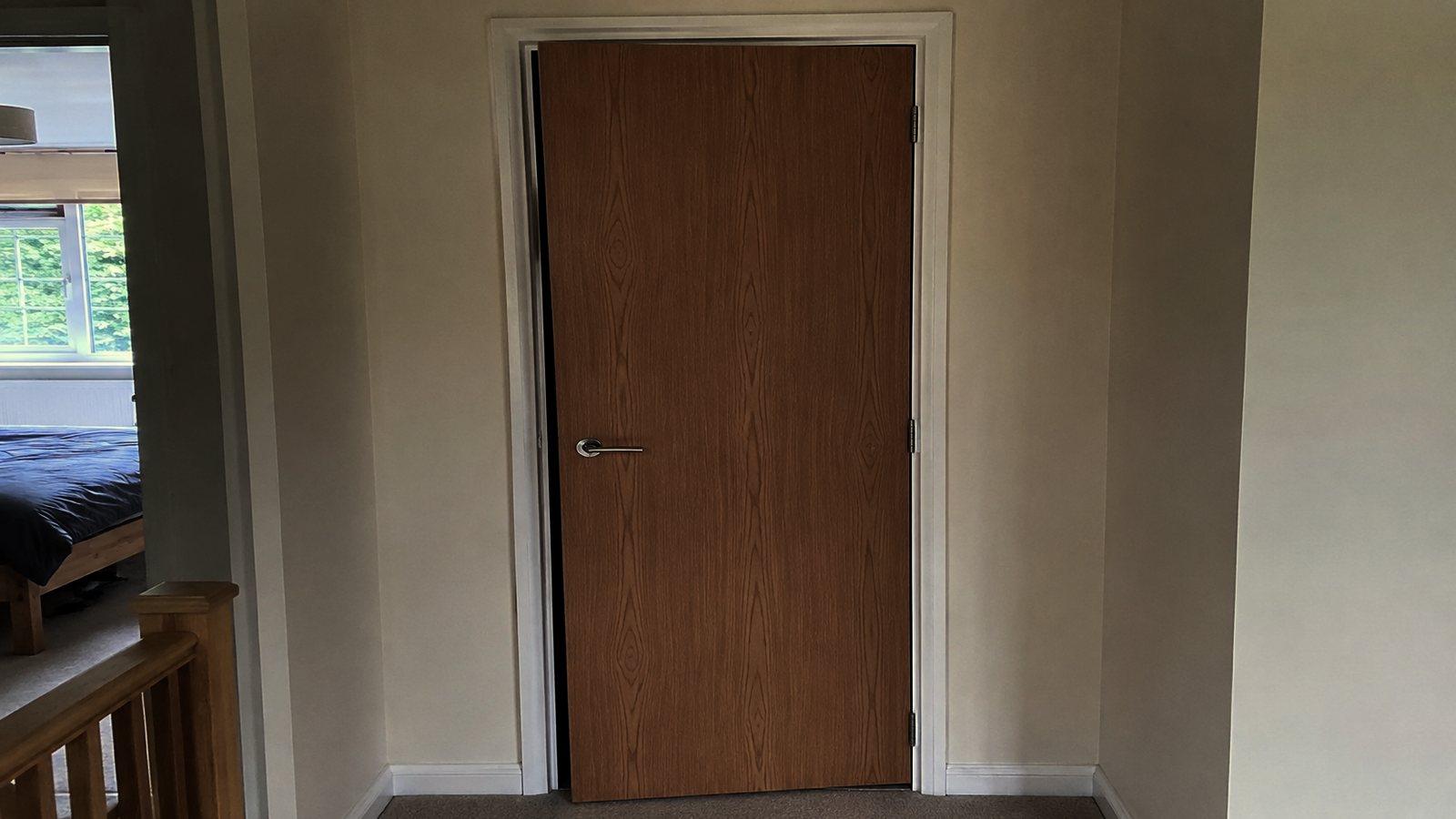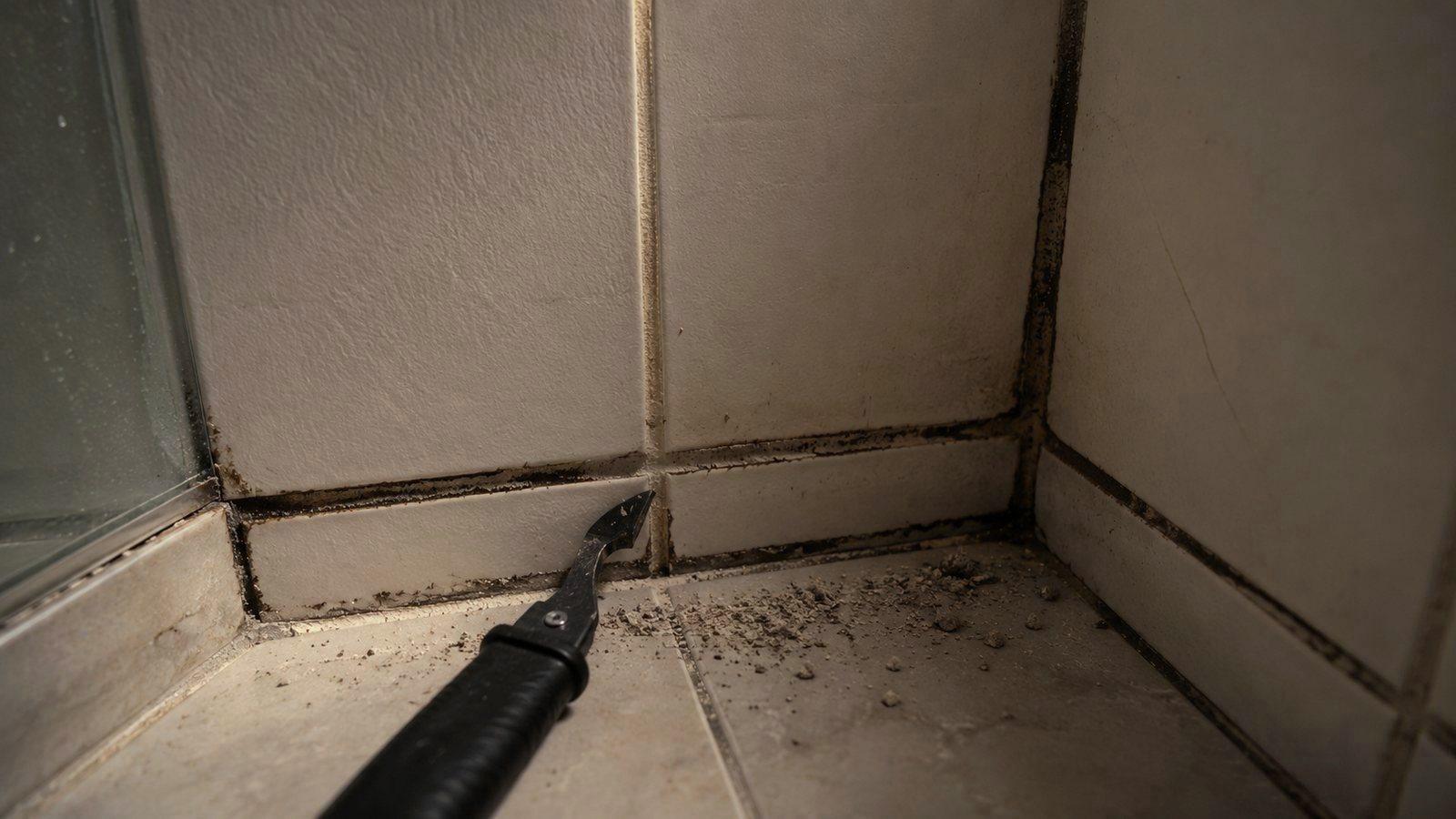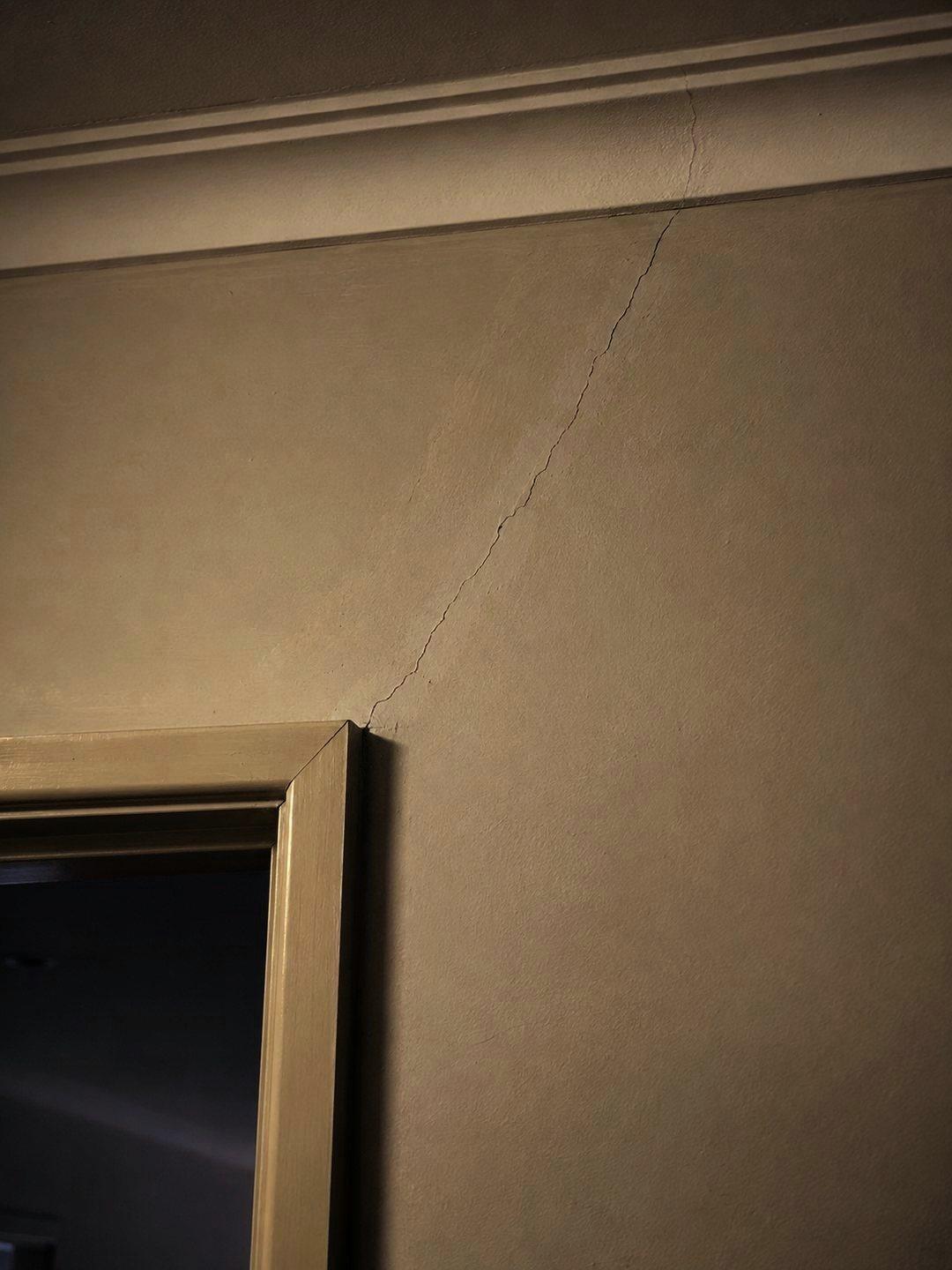
The wall you had painted a few years back is flaking around the window, and it was not cheap paint. The tin is almost never the cause. Paint is a film, and it sticks to whatever it is put on. If that surface is dusty, chalky, damp, glossy or still moving, the film lets go, and what it cost makes no difference.
The five reasons a repaint fails
- Dust and chalk. Old exterior paint chalks as it weathers. New paint over chalk sticks to the chalk, and the chalk is not stuck to anything.
- Moisture. Painting a wall that is still holding water traps it, and it pushes the film off from behind.
- Gloss. New paint will not key to a glossy surface without sanding or a bonding primer.
- Patches not primed. Filler and bare plaster suck the moisture out of the first coat unevenly, which is why you can see every patch through a finished wall.
- Movement. Painting over a crack that is still moving splits the film along the same line within a season.
Inside, most of the work happens before the lid comes off
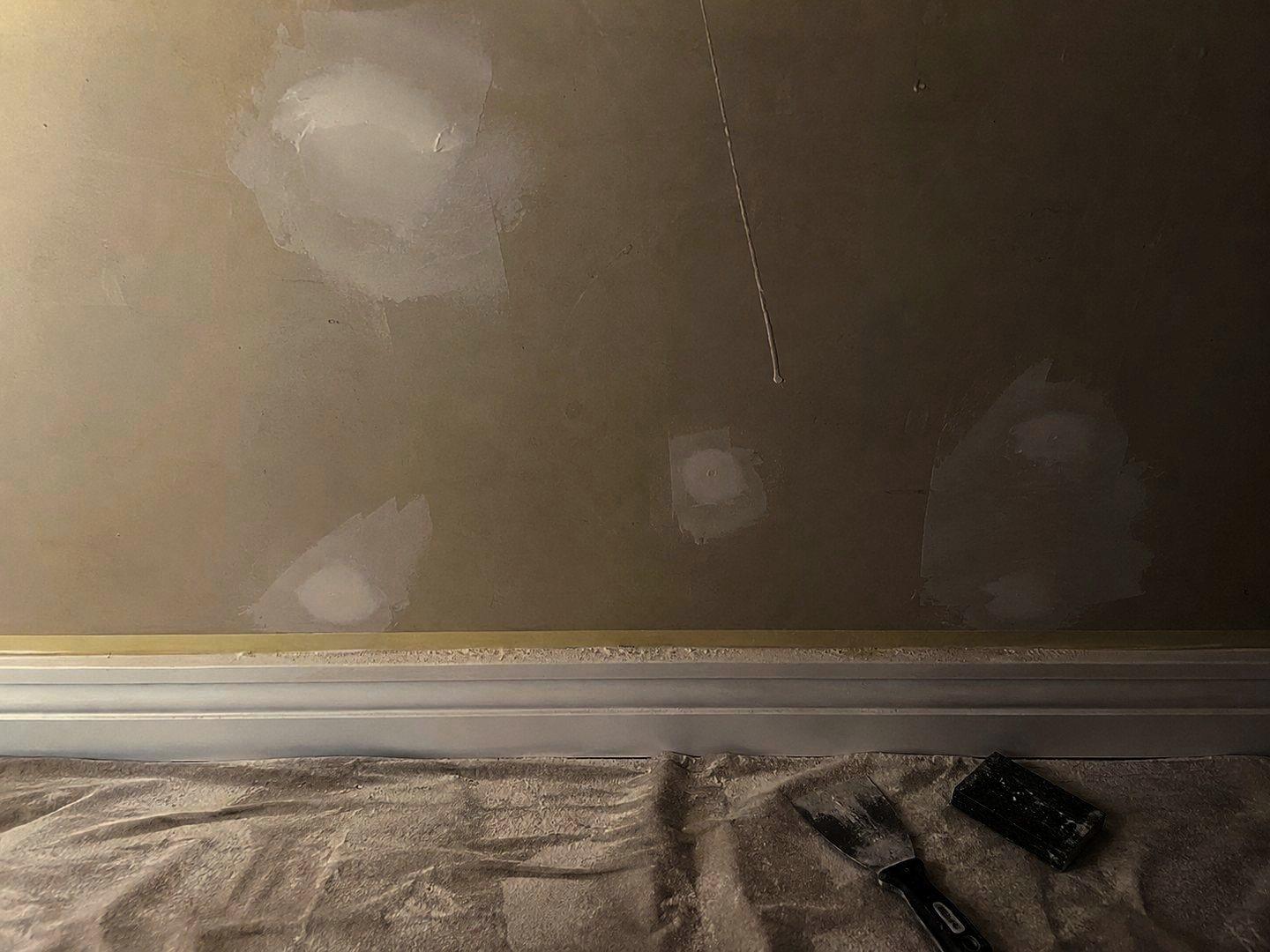
Furniture out or covered, floors protected. Holes and cracks filled, and the fill sanded flush rather than proud. Every filled spot primed, because filler and bare plaster drink differently to a painted wall, and that difference reads as a shadow through two finish coats. Glossy trim sanded back so the new coat has something to key into. Dust vacuumed off, not brushed around.
Preparation is most of the cost in interior and exterior repainting, and anything needing patching before paint gets done first.
If a wall has ten filled holes and none of them are primed, you will see all ten from the doorway in raking light no matter how many finish coats go on.
Outside, it starts with a wash and a wait
Washed down and left to dry properly. On render in Sydney that means a wash, then time, and a hot day helps. Loose and flaking coating scraped back to something sound. Cracks in render cut out, filled with the right material and sealed. Bare render and repairs primed with a sealer, because raw render is thirsty and alkaline.
The western and northern walls take the hardest weathering here, so they will nearly always need more preparation than the south side. A quote that treats all four walls as the same wall has not looked at the house.
Two coats means two coats over a prepared surface
Two finish coats on top of proper preparation is the standard. Two coats straight onto a chalky, unwashed, unprimed wall is one coat of trouble and one coat of covering it. A strong colour change or a patch repair often needs a primer plus two, and that should be quoted rather than discovered.
Ask both painters the same three questions
If one quote is much cheaper, the difference is nearly always preparation, because preparation is the labour. So ask both of them what preparation is included, how many coats, and what primer goes on the repairs. The answers will explain the gap.
The cheap job is the one you pay for twice
A repaint done properly lasts. A repaint rolled over unprepared surfaces has to be done again, and the second time somebody has to strip the first attempt off before they can even start.